Whole-Home Backup Generators in Cartersville, GA: Is Your Home Ready for a Power Outage?
A Power Outage Can Affect Much More Than the Lights
When the power goes out, most homeowners notice the lights first. But depending on how long the outage lasts, the bigger problems can start showing up quickly. Refrigerators stop cooling, internet equipment goes offline, HVAC systems shut down, security equipment may lose power, and electrically powered systems throughout the home become unavailable.
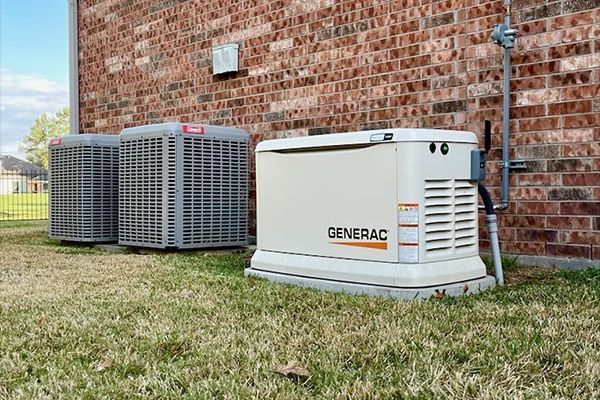
For homeowners in Cartersville, GA and surrounding North Georgia communities, a backup generator can provide another layer of protection when utility power is interrupted. Instead of relying only on flashlights, battery packs, or a portable generator that has to be set up manually, a professionally installed standby generator can be designed to supply power automatically when the home loses electricity.
The amount of backup power a homeowner needs can vary widely. Some households mainly want to keep essential circuits operating, while others want a system capable of supporting a larger portion of the home. That is why generator planning should begin with the electrical needs of the property rather than simply choosing the largest unit available.
Think About What You Would Miss First
One of the easiest ways to think about backup power is to imagine the home during an extended outage. Which systems would become a problem first? The answer helps determine which circuits should be considered most important.
- Refrigerators and freezers: Food can become a concern when refrigeration is unavailable for an extended period.
- Heating and cooling: Losing HVAC can make a long outage uncomfortable, especially during extreme temperatures.
- Internet and Wi-Fi: Home offices, communication, entertainment, and smart-home devices may depend on a working network.
- Security systems: Cameras, alarms, access systems, and other security equipment may rely on household power.
- Well pumps: Homes that rely on a well may also lose access to running water when the pump has no power.
- Medical or mobility equipment: Some households have electrically powered devices that need dependable backup power.
- Garage doors and other powered equipment: Everyday systems can become inconvenient or difficult to use during a prolonged outage.
Not every homeowner needs to power everything in the house. In many cases, the better approach is to identify the systems that matter most and then size the backup setup around those priorities.
Portable and Standby Generators Are Not the Same Setup
Portable generators can be useful in some situations, but they usually require the homeowner to move the unit into position, connect it properly, fuel it, and manage which devices are receiving power. They should also never be operated indoors or in an enclosed area because of the danger of carbon monoxide.
A standby generator is installed as part of the property's electrical system. The generator works with transfer equipment that separates the home from utility power before backup power is supplied. This is an important safety function because electricity from a generator should not be allowed to feed back into utility lines.
For homeowners researching backup generator installation in Cartersville, GA, the important question is not simply which generator brand to buy. The electrical service, panel, desired loads, transfer equipment, and installation location all need to work together.
BrightGuard Property Solutions provides licensed electrical services in Cartersville and surrounding North Georgia communities, including backup generator installation and service. Planning the generator as part of the home's overall electrical system helps create a setup that is safer, more practical, and better matched to the household's needs.
Standby Power Is Designed to Be There When You Need It
One of the main advantages of a permanently installed standby generator is that the system can respond automatically when utility power is lost. Homeowners do not necessarily have to be home when the outage begins for the system to start doing its job.
While the exact operation depends on the equipment and installation, a typical standby system follows a straightforward sequence.
- The home loses utility power.
- The backup-power system detects the outage.
- Transfer equipment safely separates the home from the utility source.
- The generator starts.
- The designated household circuits receive backup power.
- When normal utility service returns, the system transfers the home back to utility power.
This automatic operation can be especially useful during storms or outages that happen overnight or while the homeowner is away. Refrigeration, security systems, or other designated circuits can continue operating without someone having to manually set up a portable generator.
What Do You Actually Want the Generator to Power?
Generator sizing starts with understanding the electrical load. A home that only needs refrigeration, basic lighting, internet, and a few important circuits has very different requirements from a home where the owner wants to continue running HVAC, kitchen appliances, a well pump, and other larger loads.
- Refrigerator and freezer: These are often near the top of the priority list.
- Heating and cooling: HVAC can represent a significant electrical load and may have a major effect on generator sizing.
- Lighting: Backup lighting can make the home safer and easier to use during an outage.
- Internet equipment: Routers, modems, and home-office equipment may be important for work and communication.
- Security equipment: Cameras, alarms, and related equipment may be included among critical circuits.
- Well pumps: Homes on a well may need to account for pump startup and operating requirements.
- Kitchen circuits: Homeowners may want selected outlets or appliances available during an outage.
- Medical equipment: Electrically powered medical devices may require special consideration when planning backup power.
Bigger is not automatically better. An oversized generator can cost more than necessary, while an undersized unit may not support the loads the homeowner expects it to handle. Proper planning helps balance capacity, cost, and the actual priorities of the household.
Your Existing Electrical System Matters
The generator itself is only one piece of the project. The home's electrical panel and service need to be evaluated as part of the installation.
An older panel may have limited space or may not be ideal for the type of backup system being considered. In some situations, homeowners who are already planning an electrical panel upgrade or service upgrade may decide to coordinate that work with generator installation.
The layout of the electrical system also affects which circuits are placed on backup power. A licensed electrician can determine how the generator, transfer equipment, panel, and selected loads should be configured.
This is one reason homeowners searching for a generator electrician in Cartersville, GA should look beyond generator sales alone. Backup power is an electrical-system project, and the design should account for both the generator equipment and the home it will be connected to.
BrightGuard Property Solutions works on residential electrical systems throughout Cartersville and nearby communities, including electrical upgrades and backup generator installations. That allows generator planning to be considered alongside the condition and capacity of the rest of the home's electrical system.
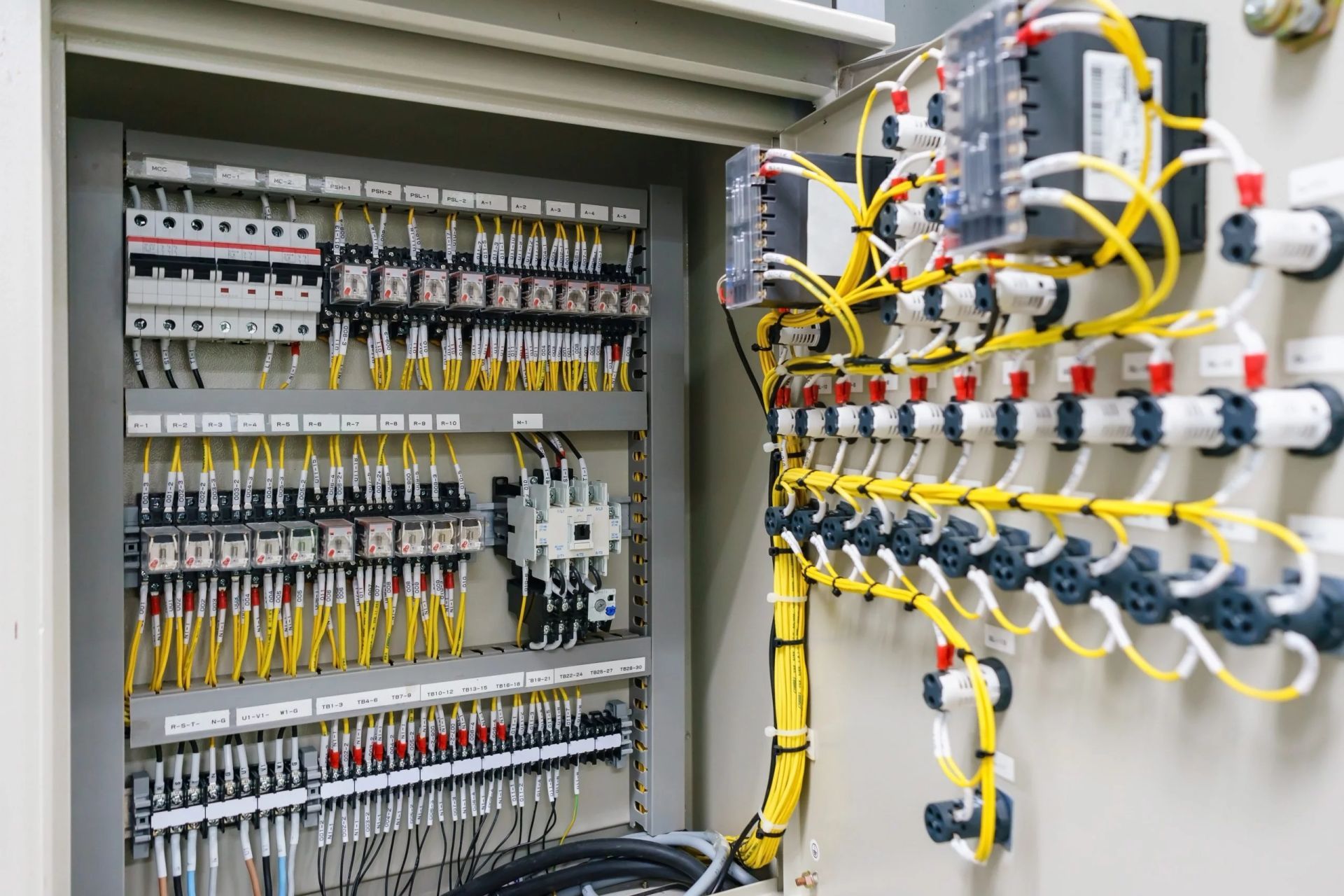
The Generator Is Only One Part of the Installation
A successful backup generator project depends on more than choosing a unit and placing it beside the house. The entire installation needs to account for electrical capacity, transfer equipment, location, fuel, clearances, wiring, and the circuits the homeowner expects the system to support.
Generator location is particularly important. The equipment needs to be positioned according to manufacturer requirements and applicable codes, with consideration for windows, doors, vents, property features, and service access.
Fuel availability also affects planning. Different generator systems may use natural gas, propane, or another approved fuel source. The available fuel supply, generator size, and expected electrical demand all need to be considered together.
- Electrical panel: The panel needs to support the planned configuration and selected backup circuits.
- Transfer equipment: The system needs a safe way to switch between utility power and generator power.
- Generator capacity: Output should be matched to the electrical loads the homeowner wants to support.
- Equipment location: Placement must account for safety clearances and access for future service.
- Fuel source: The fuel system needs to support the generator's operating requirements.
- Local electrical requirements: Installation should meet applicable electrical and safety codes.
- Future needs: Planned home additions or electrical upgrades may affect the best setup.
A licensed electrical contractor can help coordinate these pieces so the generator becomes part of the home's electrical system rather than an isolated piece of equipment.
When Should You Think About Installing Backup Power?
Many homeowners do not think about a generator until they are already sitting in the dark during an outage. Planning ahead gives you more time to evaluate the electrical system, compare options, and decide which household loads really matter.
Backup power may be worth considering if any of the following situations apply:
- Your home experiences recurring power outages.
- You work from home and depend on reliable internet and electrical equipment.
- You want refrigerators and freezers to remain powered during longer outages.
- Your home depends on an electrically powered well pump.
- You want heating or cooling to continue during certain outages.
- Your household relies on powered medical or mobility equipment.
- You have security or smart-home systems you want to remain operational.
- You are already planning a panel replacement or electrical service upgrade.
Homeowners may also want to think about how long outages in their area tend to last. A brief interruption and a multi-hour or multi-day outage create very different needs.
Backup Generator Installation in Cartersville, GA and North Georgia
BrightGuard Property Solutions provides professional electrical services and backup generator installation for homeowners in Cartersville, GA and surrounding North Georgia communities.
Their service area includes Cartersville, White, Adairsville, Emerson, Euharlee, Kingston, Taylorsville, Cassville, Acworth, Kennesaw, Woodstock, Dallas, Canton, Holly Springs, Waleska, Marietta, and nearby areas.
As a Georgia Master Licensed Electrical Contractor, BrightGuard can evaluate the electrical side of a generator project, including the existing panel, service, transfer equipment, wiring, and intended backup loads.
The right standby generator system should be based on how the household actually uses electricity, which systems are most important during an outage, and how the home's existing electrical infrastructure is configured.
If you are searching for backup generator installation in Cartersville, GA, a whole-home generator, standby generator installation, generator electrical service, or a licensed electrician for backup power in North Georgia, BrightGuard Property Solutions can help plan and install a system designed around your home's electrical needs.
Recent Posts